In Oaxaca, an indigenous cooperative is rewriting the smallholder model
A five-village cooperative has spent four years building a vertically integrated cannabis economy that bypasses cartels and exporters alike.
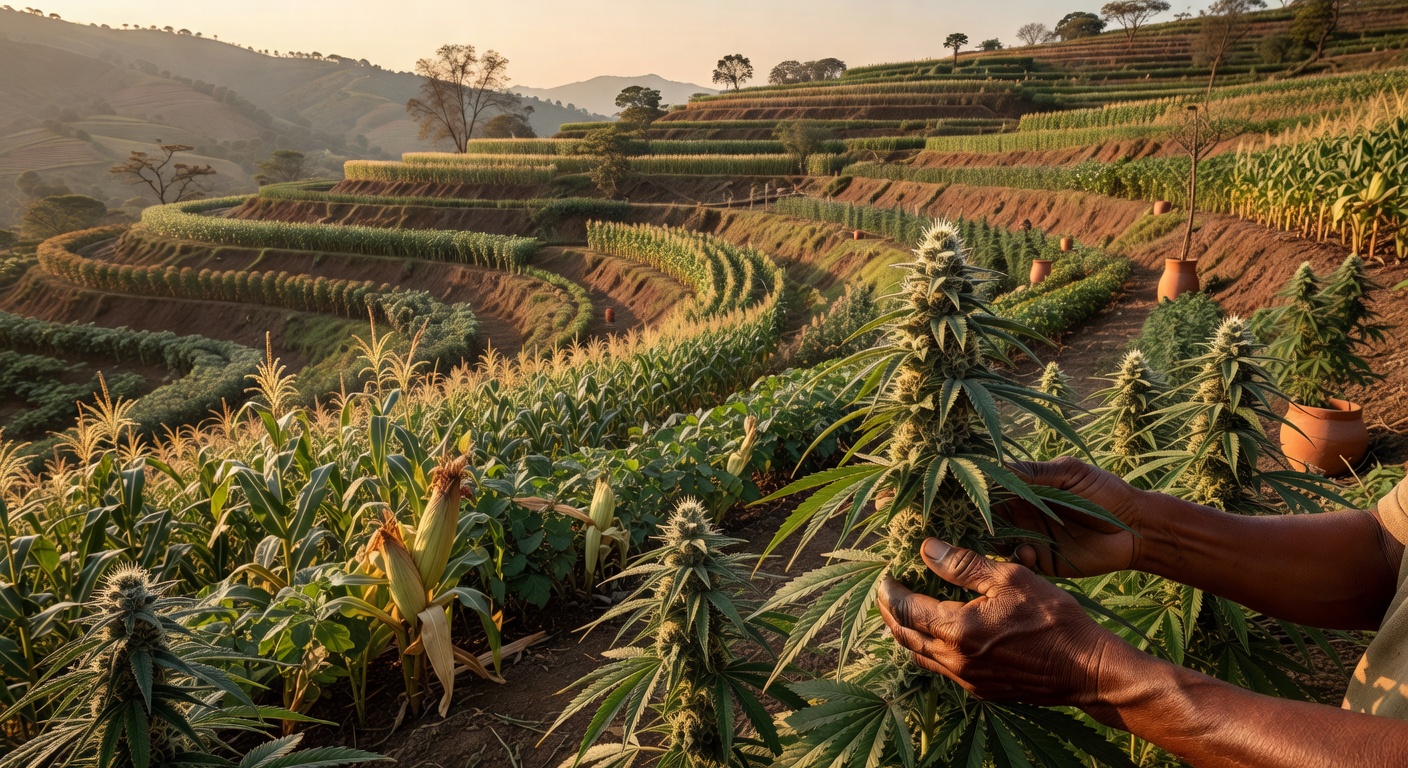
In the Sierra Norte of Oaxaca, five villages have spent the last four years building something the cannabis industry mostly does not believe is possible: a vertically integrated cooperative that grows, processes, and sells without intermediaries — no exporters, no cartel taxation, no multinational off-takers.
The cooperative, called Yuu Bina ("the land that endures" in Zapotec), now serves about 1,200 members across the five villages and three urban dispensary partners in Mexico City. It is small, but it is profitable, and the model has begun to attract attention from indigenous cooperatives in Colombia and Peru.
What makes Yuu Bina work, members say, is the same thing that makes traditional milpa agriculture work in this region: collective land tenure, generational knowledge of local microclimates, and a refusal to chase yield at the expense of soil health.
“We are not trying to scale. We are trying to last. Those are different problems.”
The Mexican federal government is still finalizing the licensing framework for cooperative cannabis production. Yuu Bina has operated under a patchwork of state permits and a longstanding indigenous land-use agreement. Whether that legal status survives the federal rollout is an open question.